Watch the WetlandsLIVE Webcasts
Wetlands provide a vital link between water and land and important benefits to people and the environment.  Wetlands help regulate water levels within watersheds; improve water quality; reduce flood and storm damage; provide important fish and wildlife habitat; support fishing and other recreational activities; and provide inspiration. Wetlands are natural wonderlands of great value.
- CLICK HERE to watch Discover Wetlands and find out what students from Alaska to Virginia are doing to learn about and help wetlands. CLICK HERE for wetland questions and answers from the webcast.
- CLICK HERE to watch Wetland Connections, videotaped in Panama Bay, Panama, to learn how wetlands are connected. CLICK HERE for wetland questions and answers from the webcast.
- CLICK HERE to watch Wading into Wetlands and learn about different kinds of wetlands and their functions andbenefits.
- HAGA CLIC aquí para ver Humedales en Vivo desde Cordova, Alaska en español! Explora la delta del río Copper, el humedal contiguo mas grande en la costa del Pacifico de Norte América. Descubre lo que están haciendo estudiantes para aprender, ayudar y participar en sus humedales locales.
- HAGA CLIC aquí para ver Humedales en Vivo desde la Bahía de Panamá en español. El programa en español desde Panamá ahora está disponible! Aprende acerca de los humedales y las especies migratorias que dependen de ellos.
- Check out FSNatureLIVE on YouTube, Facebook, and Twitter!


Join Us
- Learn about wetlands.
- Watch short videos to learn about wetlands.
- Check out lesson plans.
- Participate in citizen science activities involving wetlands.
- Get involved in wetland conservation.
- Explore the wetlands of the Pacific Rim, including their functions, threats, and how they are interconnected.
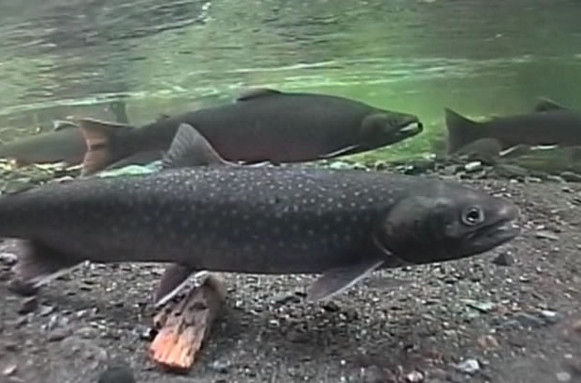
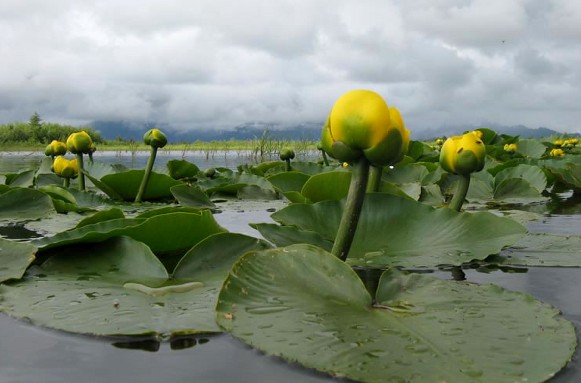
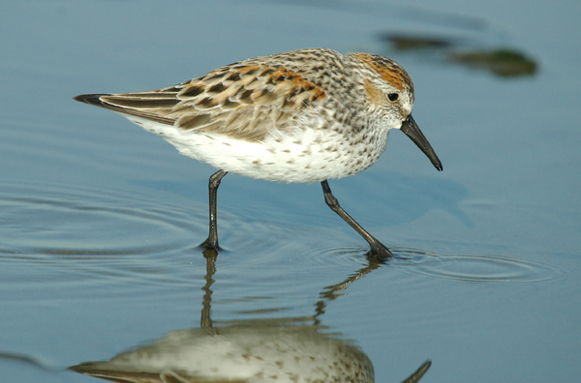
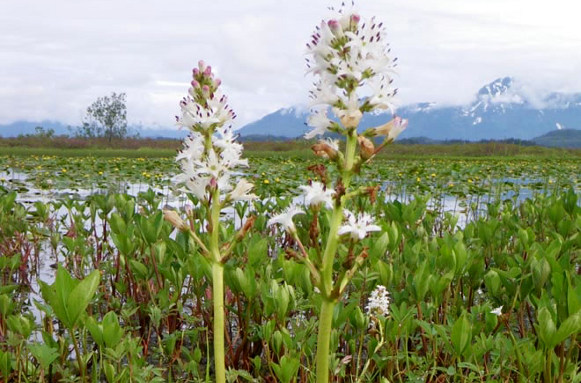
WetlandsLIVE is an exciting, FREE education program for students in grades 4 to 8 and their educators. There are three distance learning adventures in English and two in Spanish:
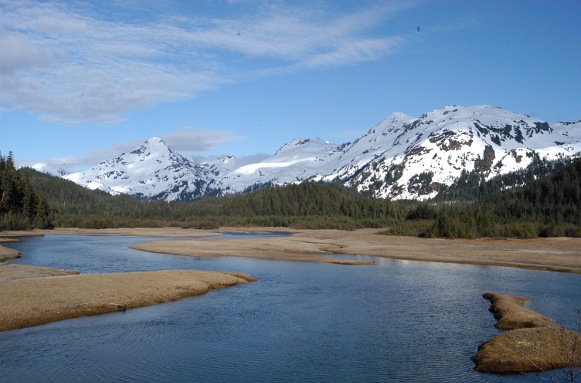
Discover Wetlands
FROM CORDOVA, ALASKA
CLICK HERE TO WATCH THE WEBCAST
CLICK HERE FOR THE WEB CHAT Q&As
May is American Wetlands Month and find out what
students are doing to learn about, help, and engage
in their local wetlands. Visit the Chugach
National Forest in Alaska, which has the largest
contiguous wetlands on the Pacific Coast of North
America.
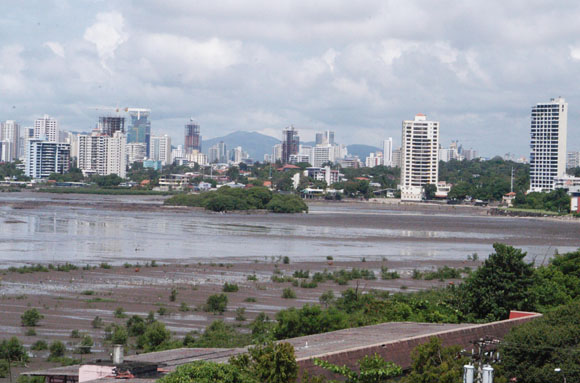
Wetland Connections
FROM PANAMA BAY, PANAMA
CLICK HERE TO WATCH THE WEBCAST
CLICK HERE FOR THE WEB CHAT Q&As
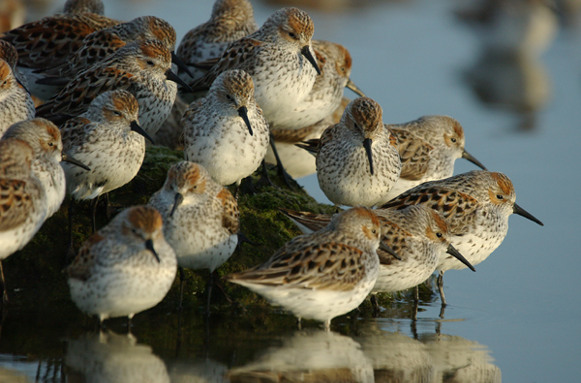
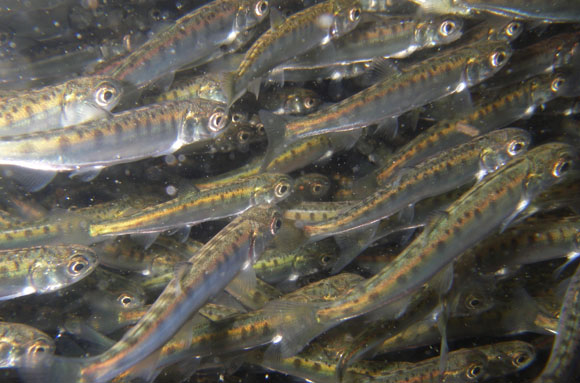
Birds, fish, and other migratory species don’t recognize
state or international borders and need wetlands and habitats
located in many states and countries in order to survive.
Learn how wetlands are connected.
Wading into Wetlands
WEBCAST FROM VANCOUVER, CANADA
CLICK HERE TO WATCH THE WEBCAST
What exactly is a wetland? How does it function to benefit wildlife and
people. We’ll visit some special wetlands to learn about wetland
ecology, watersheds, their importance to migrating fish and birds, and
much more.
Descubriendo Humedales
Desde Alaska
HAGA CLIC
Descubre las maravillas de los humedales en el segundo programa en español de Humedales en Vivo desde Cordova, Alaska. Mayo es el mes de los Humedales en América y vamos a explorar la delta del río Copper, el humedal contiguo más grande en la costa del Pacífico de Norte América. Descubre lo que están haciendo estudiantes para aprender, ayudar y participar en sus humedales locales.
Caminando en los Humedales
Desde Panamá
HAGA CLIC
Que es un humedal? Como funciona para el beneficio de la vida silvestre y los seres humanos? Visitaremos la bahía de Panamá y aprenderemos sobre su importancia especialmente para especies migratorias, tales como aves playeras, peces y tiburones martillos.